


Manufactured homes are often viewed as a budget-friendly alternative to traditional, site-built houses—but are they actually a good investment? Built in controlled factory environments and regulated by federal HUD standards, manufactured homes offer affordability, efficiency, and faster construction timelines. However, their investment potential depends on several factors, including location, financing structure, maintenance, and long-term market trends.
This guide breaks down the true investment value of manufactured homes, outlining the advantages, potential drawbacks, market outlook, and financing considerations so you can make a well-informed decision.
Manufactured homes—sometimes still referred to as mobile homes—are prefabricated residences constructed entirely in a factory and then transported to their final location. Unlike modular homes, which are assembled on-site, manufactured homes are built on a permanent chassis and must comply with the U.S. Department of Housing and Urban Development (HUD) Code, established in 1976.
The HUD Code regulates:
Each compliant manufactured home carries a permanent red HUD certification label, ensuring it meets federal standards nationwide. When placed on a permanent foundation and titled as real property, manufactured homes may qualify for traditional mortgage financing.
Manufactured Homes vs. Traditional Real Estate Investments Compared to single-family homes, duplexes, or condos, manufactured homes stand out for their lower acquisition cost and higher cash-flow potential. While appreciation patterns may differ, investors often prioritize yield, tenant demand, and affordability over speculative appreciation.
One of the biggest concerns many investors express about mobile homes is that their values are known to depreciate. However, depreciation isn’t necessarily a bad thing for an investor.
Why? Because depreciation allows manufactured home investors to deduct part of the home’s value yearly against their operating profits.
If you plan on renting out the manufactured home, another concern you might have is occupancy rates. Fortunately, manufactured housing typically has higher tenant retention rates than similar assets.
In addition, fewer maintenance costs, high cap rates, and relatively low per-unit pricing make manufactured homes attractive to many investors — with average cap rates of 7-12% and the lowest cost-per-unit out of every real estate asset class, manufactured homes keep looking better and better.
Buying a mobile home, whether to rent long-term or live in, comes with several advantages over other types of real estate. See why manufactured homes can be a fantastic investment:
Affordability and Entry-Level Pricing Manufactured homes are significantly less expensive than site-built homes due to factory efficiencies, lower labor costs, and streamlined material sourcing. This creates a lower barrier to entry for first-time investors and buyers. Lower purchase prices also mean:
Finally, maintenance costs are more affordable for manufactured homes. For example, if you or your tenant experience a plumbing issue, it will be much less of a setback than if the same problem occurred in a site-built property.
Many people look at manufactured homes and worry about the quality of materials, building practices, etc.
Ever since 1976, manufactured homes must follow the HUD code, which dictates the quality to which standard mobile homes must be built.
These standards include ensuring proper practice for structural design and construction, energy efficiency, fire safety, and the transportation of manufactured homes from the factory to the lot where they will sit.
Every manufactured home in the US will have a permanent red seal showing all of the requirements outlined in the HUD code were met.
Manufactured homes are highly versatile, both for long-term and short-term purposes. If the home sits on a suitable long-term site and not in a park, you can often add additional modules onto the home, altering it to fit your needs for a much more reasonable price than adding onto a stick-built property.
Prefab homes are excellent as a “starter home;” you can build bigger in the future and turn a single home into multiple rentals.
Even though it can be a logistical challenge and expensive, you can also have manufactured homes moved if it sits on a short-term lot or rented property.
https://maresmortgage.com/renting-out-a-house-for-the-first-time-heres-how-to-start
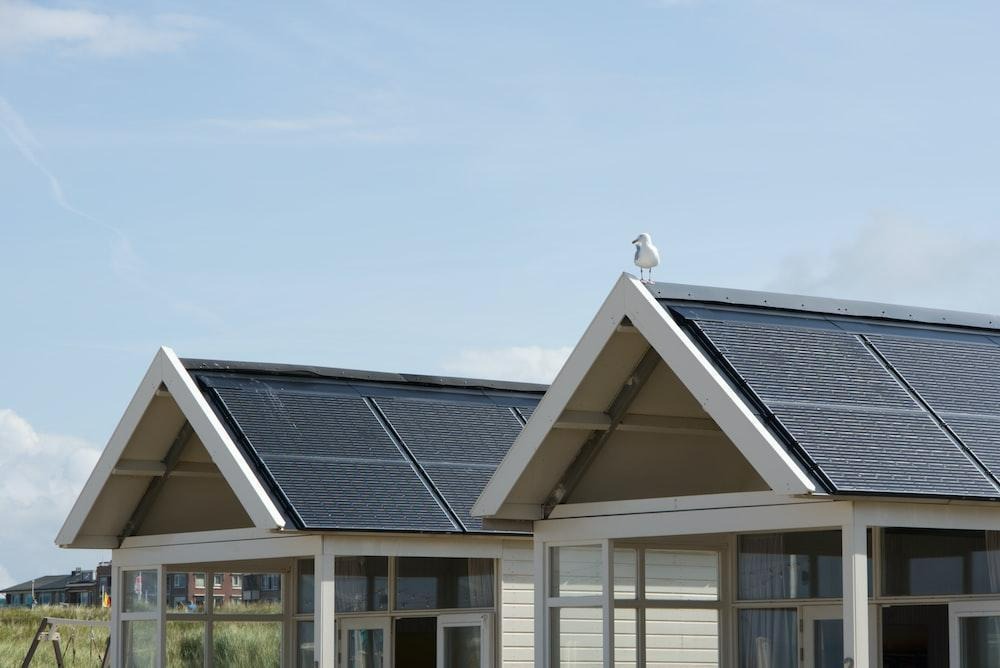
A huge advantage of manufactured homes is that they are energy-efficient and eco-friendly. You can thank the HUD code for this; it ensures a high degree of efficiency.
For example, insulated skirting, wall insulation, under-home insulation, on-demand water heaters, and energy-efficient windows are mostly standard for all mobile homes. You’ve probably seen appliances that are Energy Star certified, but did you know that an entire manufactured home can receive that certification?
Plus, many manufactured homes have state-of-the-art bathrooms and kitchens with water-saving plumbing fixtures and energy-saving appliances. And adding things like energy-efficient lighting are relatively simple, affordable upgrades you can make.
From small starter homes to large, luxurious retirement manufactured homes, you can make just about any customizations and personalizations that you can dream of, whether you buy a new mobile home and make changes from the beginning or you buy an older manufactured home and add on to it, the possibilities are endless.
As a bonus, updating or repairing fixtures, flooring, appliances, etc., is often cheaper, easier, and faster for manufactured homes than traditional houses.
A manufactured home does not mean a run-down trailer home. There are options for high-quality finishes and distinctive floor plans as complex and luxurious as site-built homes.
You can add pretty much any luxury amenities to manufactured homes to increase their value — hardwood floors, fireplaces, granite countertops, vaulted ceilings, kitchen islands, etc.
Outdoors manufactured homes can also have garages, decks, sunrooms, patios, high-end landscaping, and any other feature that a traditional residence could have. And while all of these additions won’t be cheap, they will cost less than installing the same amenities in a site-built house.
Buying a mobile home, whether as an investor or a homeowner, is as easy (or easier) than buying a stick-built home. You just have to approach the loan process slightly differently.
At Mares Mortgage, we help potential buyers navigate the manufactured home financing process and offer various loans to get you the best deal.
As with buying any property, your employment, creditworthiness, debt-to-income ratio, etc., all play a part in your ability to purchase a manufactured home.
Current Demand Manufactured housing continues to gain attention amid rising home prices and affordability challenges. While interest rate volatility has slowed transactions in some markets, long-term demand remains strong.
Manufactured homes are becoming increasingly popular, both for investors and homeowners. As resource scarcity continues and with our ever-changing economy, you don’t want to sleep on investing in manufactured homes — Just check out our short video about the benefits of manufactured home investing.
Future Appreciation Potential Although appreciation may trail traditional housing in some areas, manufactured homes placed on owned land often appreciate similarly to site-built homes. Investors benefit from immediate equity through value-add improvements. Experts predict a stabilization in the debt markets, which could ramp up transaction and development velocity for manufactured homes. However, the overall sentiment remains cautious, with 2023 expected to be remembered as a blip in the investment landscape. Despite high interest rates, buying a home now offers immediate equity building opportunities.
Manufactured homes are often considered more recession-resistant compared to traditional homes. Recession Resistance Manufactured homes historically perform well during economic downturns due to their affordability and necessity-based demand, making them a defensive real estate asset.

Whether you’re making a long-term investment, planning on renting out a manufactured home, or looking for a more affordable way to live, investing in a manufactured home can be an excellent idea.
Manufactured homes offer the same amenities as traditional housing at a more affordable cost and are often even more customizable than other stick-built houses.
Whether manufactured homes are a good investment largely depends on individual circumstances and goals. These homes offer affordability and quicker construction times, which can be appealing for first-time homebuyers or those looking for rental properties. However, potential investors should be wary of the depreciation factor, similar to that of vehicles, and consider the long-term value of the property. For those who can secure a desirable location and manage upkeep, manufactured homes can indeed be a viable investment option. Mares Mortgage can help you weigh the pros and cons in light of your personal financial strategies and market conditions before making a decision.
Comparing The Best 5 Home Loan Programs


.png)

