

This is one government agency you want to know about, especially if you're looking to buy a home. HUD creates opportunities for homebuyers to purchase while saving tens of thousands of dollars. Here's some information about HUD and the deals available to you.
U.S. Department of Housing and Urban Development (HUD) is a government agency first established in 1965 as part of a broader effort to fight poverty in America. It's the agency tasked with giving people access to decent, affordable, and inclusive housing.
HUD is led by a secretary who is a presidential appointment and must be confirmed by the Senate. The HUD secretary oversees the Federal Housing Administration (FHA), leads community development programs, and provides rental assistance for people in need.
HUD uses the FHA to provide mortgages for people who wouldn't usually qualify. The FHA's FHA loan programs give people with low incomes or bad credit the chance to buy homes. The program is secured by the government, which reduces the risk for lenders and opens the door for more buyers.
What makes HUD homes different from regular foreclosures is that the federal government is the seller. That means there's a standardized process, published timelines, and specific eligibility rules. It also means buyers get access to assistance programs that simply don't exist with privately held foreclosures. For anyone looking at affordable homeownership in California, understanding how HUD works is the first step.

A property becomes a HUD home when the owners cannot pay the monthly mortgage, and the home goes into foreclosure. These homes were first purchased with fha loans. So when the owners default on the loan, the FHA pays the lender the remaining mortgage and seizes the property.
To recoup that money, the government sells the property, usually below market value. HUD homes are appraised to establish value, but they are sold "as is." This means that no prior repairs or improvements are made. So do your due diligence when picking out your home.
Anyone who qualifies for a loan can purchase a HUD home. Investors may buy these homes, but they are first made available to owner-occupant buyers (people who will live in the home). Buyers must not have purchased a HUD home in the last two years and must live in the new purchase for at least a year.
That 30-day owner-occupant priority window is one of the most important things to know about buying a HUD home. It's designed to encourage people to actually live in these properties, not flip them. If you're a first-time buyer or someone who genuinely wants to put down roots, that exclusivity period gives you a real advantage over investors who would otherwise dominate this market.
It's also worth knowing that HUD homes aren't just in distressed neighborhoods. Because FHA loans are widely used across income levels and property types, you'll find hud homes for sale in suburbs, mid-range neighborhoods, and occasionally even desirable areas. The condition of the home varies widely, which is exactly why a thorough inspection matters so much.
HUD doesn't just list the homes and walk away. It actively runs programs to make buying these properties more accessible, particularly for low- and moderate-income buyers, public servants, and nonprofit organizations. If you fall into any of these groups, you could save significantly beyond the already discounted listing price.
To incentivize HUD home purchases, the agency offers grants, vouchers, and buyer programs:
If you're a first time home buyer california resident exploring your options, these programs can stack on top of state-level assistance. Talking to a licensed mortgage professional before you start bidding can help you figure out exactly which programs apply to your situation.
Want to know whether you qualify for a HUD home purchase? Our team at Mares Mortgage has helped Orange County buyers navigate this process for over 30 years, and we can help you understand exactly what financing you need before you place a bid.
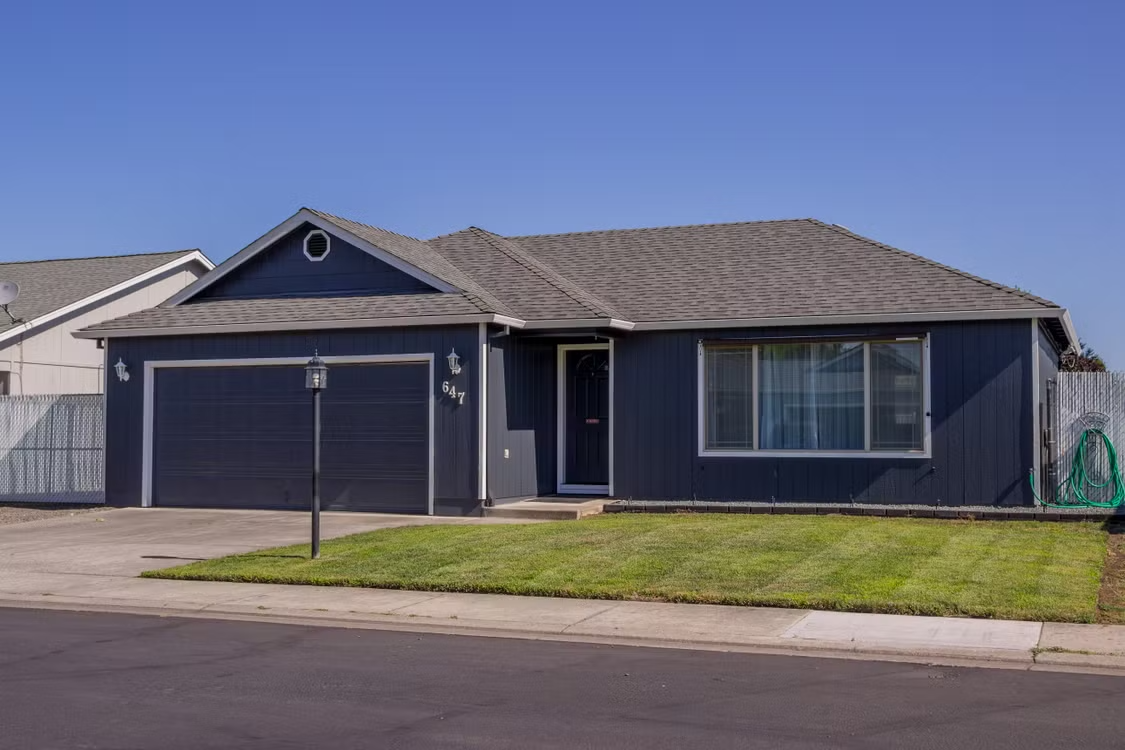
First Time Home Buyer California
The process of buying a HUD home differs from a traditional home purchase. HUD homes are not listed with other homes on the Multiple Listing Service. You'll have to go to the HUD Home Store, which is the official government portal for all available HUD properties.
The homes are sold at auction. A HUD-approved real estate agent must help you view and bid on the property. Bidding is open for 30 days, prioritizing owner-occupant buyers. If no acceptable bids are received, the auction opens to investors.
If your bid is accepted, HUD gives you a settlement date, usually allowing 30 to 60 days to close.
Here's a step-by-step breakdown of how the HUD home buying process actually works:
One thing buyers often overlook: HUD assigns a property condition rating to each listing. Properties rated as "insurable" can be financed with a standard FHA loan. Properties rated "uninsurable" typically need an FHA 203(k) loan that bundles the purchase and repair costs together. Knowing the condition rating before you bid saves you from getting into a financing situation the home doesn't actually support.
Using the house buying checklist for beginners from Mares Mortgage can help you stay organized throughout this process, especially if this is your first time navigating a government property purchase.

Buying a HUD home isn't very different from a regular home purchase. All buyers can use conventional loans or opt for government-backed options. Veterans and service members can use VA loans, while low-income or poor-credit buyers can use FHA loan programs.
Buyers can also use an FHA 203(k) loan to cover both the home purchase and repairs.
The 203(k) loan is especially worth understanding when you're buying a HUD home, because these properties are sold as-is and often need work. Instead of trying to line up separate repair financing after closing, the 203(k) bundles everything into one loan from the start. There are two versions: the Standard 203(k) for major structural repairs, and the Limited 203(k) for smaller projects under $35,000. Your mortgage professional can tell you which applies based on the property's condition rating and your renovation plans.
For buyers using standard FHA financing on a HUD home, the minimum down payment is 3.5% if your credit score is 580 or higher. Drop below 580 and you're looking at 10% down. The HUD $100 Down Program is the exception, letting qualifying owner-occupants use FHA financing with just $100 down instead of the standard percentage. That's a significant difference for buyers who are income-qualified but working with limited savings.
Here are some benefits of purchasing a HUD home:
Here are a few drawbacks to consider:
If you want a clear picture of the full buying process before you commit, working through a house buying checklist for beginners is a good way to make sure nothing slips through the cracks.
Ready to explore mortgage options for a HUD property in Orange County? Reach out to the Mares Mortgage team and a licensed mortgage professional will walk you through what fits your situation, your budget, and your timeline.
For anyone struggling to purchase a home, a HUD home might be the right opportunity for you. But make sure you go in with your eyes open. Inspect the home and understand all costs and requirements before you buy.
Mares Mortgage has been helping Orange County buyers navigate the home financing process since 1993. Whether you're looking at a HUD home, comparing FHA loan programs, or just starting to figure out what you can afford, our team is here to help you move forward.