


Are you looking to renovate your home this year? Make sure you avoid making these common mistakes! Many homeowners regret their renovations, so make sure you know what you're doing before starting any projects. From underestimating the costs to making decisions based on trends, read on to learn about the top five home renovation mistakes homeowners make. With some knowledge and caution, you can avoid these pitfalls and have a successful renovation project. Happy renovating!
Home renovation is a huge and popular industry nowadays. Homeowners spend hours upon hours browsing through Pinterest and home magazines, looking for the perfect way to update their homes. However, as any experienced renovator knows, even the best-laid plans can go awry. Here are some of the most common mistakes made by homeowners during a renovation:
Before you swing a hammer or sign a contractor agreement, it's worth understanding how major renovation resale value works. Not every upgrade pays off when it's time to sell. Some projects add thousands to your home's worth, while others barely break even. Knowing the difference can help you prioritize what actually makes financial sense for your situation.
Before starting a renovation, it's essential to do your research and figure out precisely what you want to achieve. What style are you going for? What is your budget? What is your timeline? Once you have a clear vision, it will be much easier to avoid making costly mistakes.
Home renovation is a big undertaking and one that comes with a lot of potential risks. One of the biggest dangers of renovating your home without doing your research is that you could make permanent changes that lower your home's value.
For example, chopping down all the trees in your front yard might make it easier to lay a new driveway, but it will also make your home much less appealing to potential buyers. In short, doing your research before starting a home renovation is always worth the effort. Homeowners who skip this step take unnecessary risks with their homes and wallets.
Research also means understanding what you can realistically afford. If you're not sure what percentage of income should go to my mortgage, you might stretch your budget too thin trying to fund a renovation on top of existing payments. A good rule of thumb is to keep your total housing costs, including any renovation financing, within a comfortable range of your monthly income.
Take time to look at comparable homes in your neighborhood. What features do they have? What's selling quickly and what's sitting on the market? This kind of local research can tell you a lot about which upgrades actually matter to buyers in your area, and which ones you can skip.
Related: How To Get The Right Home Improvement Loan
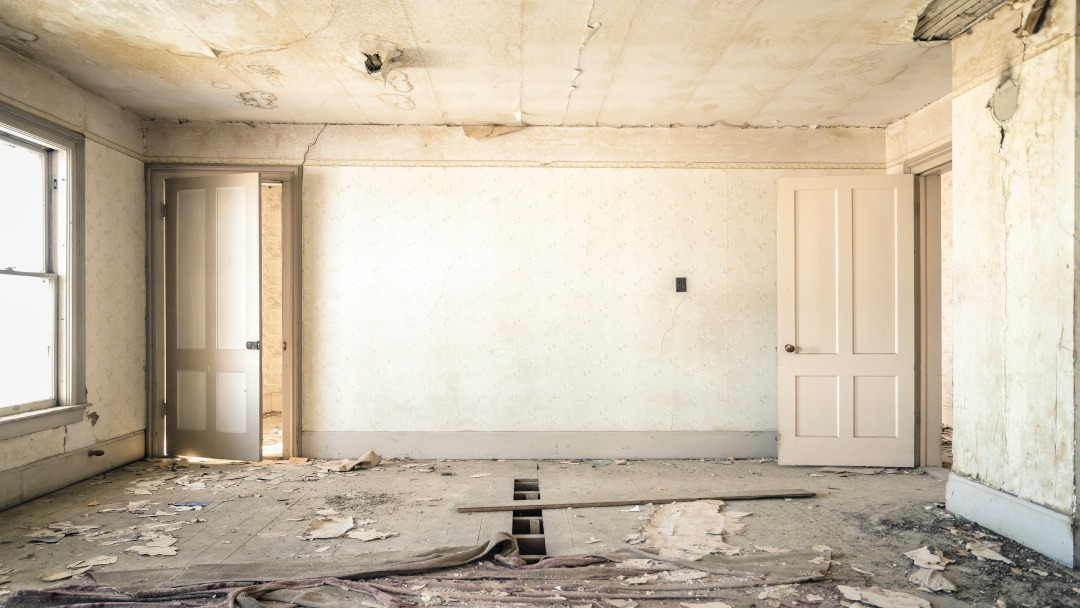
A good contractor can make all the difference when it comes to a successful renovation. Be sure to interview several different contractors before making your final choice, and don't be afraid to ask for references. Homeowners who don't research their options before embarking on a renovation also run the risk of picking sub-par contractors or materials. Hiring an inexperienced contractor could result in shoddy workmanship while using inferior materials could lead to problems like mold or rot down the line.
When interviewing contractors, ask specific questions about their experience with projects similar to yours. Request a detailed written estimate that breaks down labor and materials separately. Check their license status with your state's contractor licensing board, and verify they carry both liability insurance and workers' compensation coverage. These steps take extra time upfront but can save you from headaches later.
Red flags to watch for when hiring a contractor:
A contractor who seems too good to be true usually is. The lowest bid often means corners will be cut somewhere, whether that's in materials, labor quality, or both. Pay attention to how responsive they are during the bidding process because that's usually a preview of how they'll communicate once work begins.
Homeowners who take on too much work themselves when renovating their homes are likely to make mistakes that will cost them time and money. One common mistake is underestimating the amount of work that needs to be done.
Homeowners who try to do too much themselves often find that they underestimated the time it would take to complete the project or didn't have the necessary skills to do a professional job. Another mistake is overestimating their ability to get discounts from suppliers. Homeowners who try to haggle with suppliers often pay more for materials than they would have if they had just gone with the first price they were quoted.
Finally, homeowners who try to do too much themselves often make costly mistakes that could have been avoided if they had hired a professional. Homeowners should carefully consider whether they have the time, skills, and resources before taking on a home renovation project.
Hiring a professional can save time, money, and stress in the long run. It's understandable to want to save money by doing some of the work yourself. However, unless you're an experienced tradesperson, it's probably best to leave the major work to the professionals.
There's a middle ground between doing everything yourself and hiring out the entire project. Some tasks are genuinely DIY-friendly: painting walls, installing simple light fixtures, updating cabinet hardware, and basic landscaping. Other tasks should almost always go to licensed professionals: electrical panel work, plumbing that involves moving pipes, structural changes, and anything involving gas lines.
If you want to save money through sweat equity, focus on demolition and cleanup. Many contractors will reduce their quotes if you handle removing old flooring, tearing out cabinets, or hauling debris. Just make sure you coordinate this with your contractor first so you don't accidentally remove something they needed to assess or preserve.
Related: The Top Home Renovation Mistakes Made By Homeowners
Home renovation projects can be a great way to add value to your home and make it more comfortable to live in. However, before you start tearing down walls or adding new rooms, it's important to make sure that you're taking care of all the necessary paperwork.
One mistake that far too many homeowners make is failing to get the proper permits before starting work on their homes. Depending on the scope of the project, you may need to obtain a permit from your city or county government.
Failing to do so can result in hefty fines, and in some cases, you may even be required to undo all the work that you've already completed. So before you pick up a hammer, be sure to check with your local authorities to make sure you're taking care of everything by the book.
The consequences of unpermitted home renovations can follow you for years. When you eventually sell your home, the title company and buyer's lender will often check permit records. Unpermitted work can derail a sale, force you to open up finished walls for inspection, or require you to pay for expensive retroactive permits and corrections.
Projects that typically require permits:
Your contractor should handle permit applications as part of their scope of work. If a contractor suggests skipping permits to save time or money, that's a major warning sign. Licensed contractors know that unpermitted work can put their own license at risk, so any professional willing to cut that corner probably isn't someone you want working on your home.

It's almost certain that something will go wrong during a remodel, no matter how meticulously you prepare. This is why it's so important to have a savings cushion ready for emergencies. If the project takes longer or costs more than planned, you may protect yourself financially by putting up a contingency fund. So before you start swinging that hammer, be sure to set some money aside for a rainy day.
Most financial experts recommend setting aside 10 to 20 percent of your total project budget for unexpected costs. For older homes, lean toward the higher end of that range because there's a greater chance of discovering outdated wiring, hidden water damage, or materials that don't meet current building codes. These surprises aren't rare, they're practically guaranteed in homes built before 1980.
If you don't have enough cash reserves for both the renovation and a contingency fund, exploring home improvement loan options might give you the flexibility you need. A dedicated renovation loan can help you avoid the stress of running out of money mid-project, which often leads to cutting corners or leaving work unfinished.
Keep in mind that certain renovations that hurt home value can make your budget problems worse by reducing your home's equity. Over-customizing spaces, removing bedrooms, or making highly personal design choices might suit your taste but could work against you financially in the long run.
Ready to plan your renovation the right way? Whether you need guidance on financing options or want to understand how a renovation fits into your overall mortgage picture, we're here to help. Reach out to the Mares Mortgage team today to discuss your goals and get answers to your questions.
While there are many things to consider when renovating your home, avoiding these common mistakes will help make sure your home renovation goes off without a hitch, and may even save you some money in the long run. Are you ready to get started on your renovation project? Taking time to plan properly, hire the right people, and budget realistically will set you up for success.



.png)

