


Mortgage rates have settled well above the lows homeowners got used to a few years back, and that shift has a lot of people wondering if refinancing still makes sense. Refinancing isn't only a move for years when rates are dropping. Depending on your loan type, your credit, and how long you plan to stay put, a refinance can still put you in a better spot even when the broader rate environment feels tough.
A lot of homeowners compare today's rates to the historic lows from 2020 and 2021, and against that backdrop almost anything looks steep. But rates in the 6 to 7 percent range aren't unusual by historical standards. They're closer to what buyers saw through much of the 1990s and early 2000s. So the real question isn't whether today's rate beats a once in a generation low. It's whether refinancing improves your specific situation compared to the loan you have right now.
Homeowners who bought with an adjustable rate mortgage, carry private mortgage insurance they could drop, or took on a loan with a shorter term than fits their budget are often still good refinance candidates, even in a higher rate market.
Refinancing isn't only about chasing a lower rate. Some of the strongest reasons to refinance have nothing to do with where rates sit today. Switching from an adjustable rate to a fixed one removes the guesswork from your monthly payment. Rolling high interest debt into your mortgage through a cash-out refinance can lower your overall interest cost. Shortening your term from a 30 year to a 15 year loan builds equity faster, even if your rate doesn't drop much.
Checking current mortgage rates before you decide is a smart first step, since even a modest rate difference on a large loan balance can add up over time. If any of these situations sound familiar, it's worth taking a closer look at what a new loan could do for your budget, and you can explore refinance options through Mares Mortgage to see what fits your goals.
How to Pay Off Your Mortgage in 5 Years
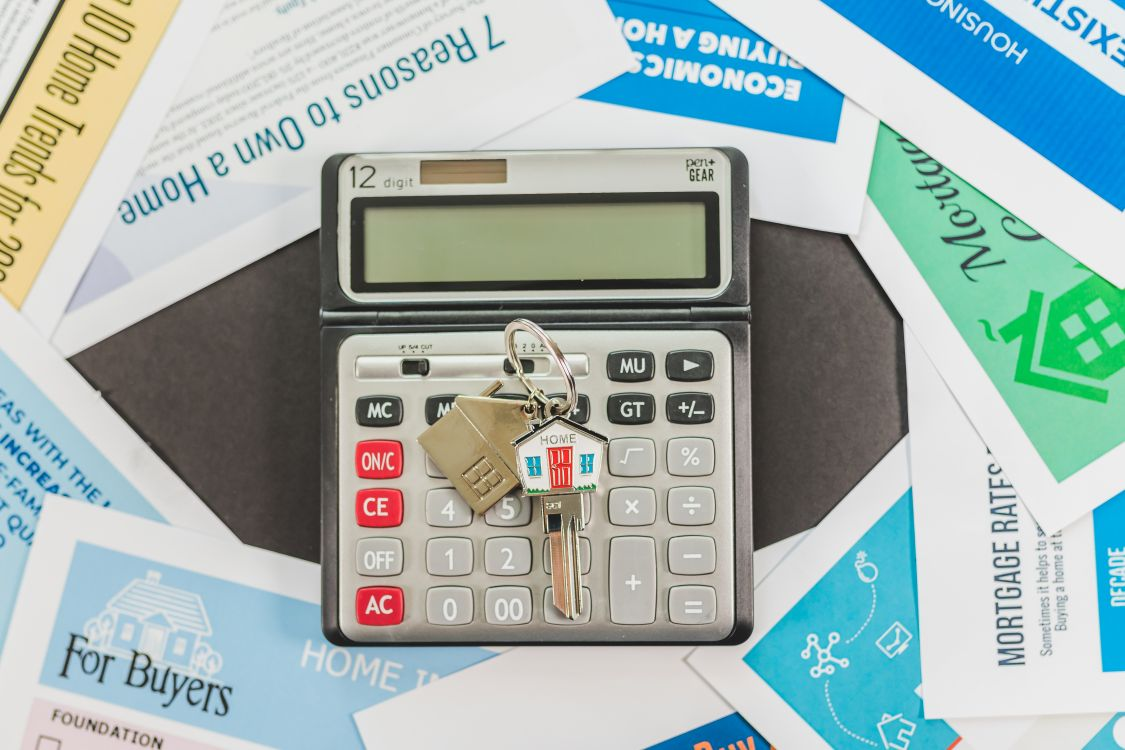
Every refinance comes with closing costs, and those costs need to earn their keep. The way to figure that out is a break-even analysis, which compares what you'll pay upfront against what you'll save each month. Divide your closing costs by your monthly savings, and you'll get the number of months it takes to come out ahead.
If you plan to stay in your home well past that break-even point, the refinance usually pays off. If you're likely to move or sell before then, it might not be worth the upfront cost no matter how good the rate looks. A quick refinance savings estimate can give you a clearer picture before you commit to anything.
Homeowners often assume the lowest possible rate is always the winning move, but a slightly higher rate with lower closing costs can sometimes reach the break-even point faster and save more overall.
Complete refinancing isn't the only solution for homeowners seeking relief. With a rate and term adjustment, you can modify your percentage or loan duration, or perhaps even both, while maintaining your current principal balance. Alternatively, a cash-out option allows you to trade your existing loan for a larger sum, providing you with extra funds for expenses like debt consolidation or home improvements.
Mortgage recasting functions via a distinct method. Rather than securing a fresh mortgage, you provide a single, substantial contribution to your primary debt, which prompts your financing institution to determine your future installments utilizing the adjusted, reduced amount.
Recasting keeps your original rate and skips most of the closing costs tied to a refinance, which makes it worth comparing side by side with a full refinance before you decide which route fits your finances better.
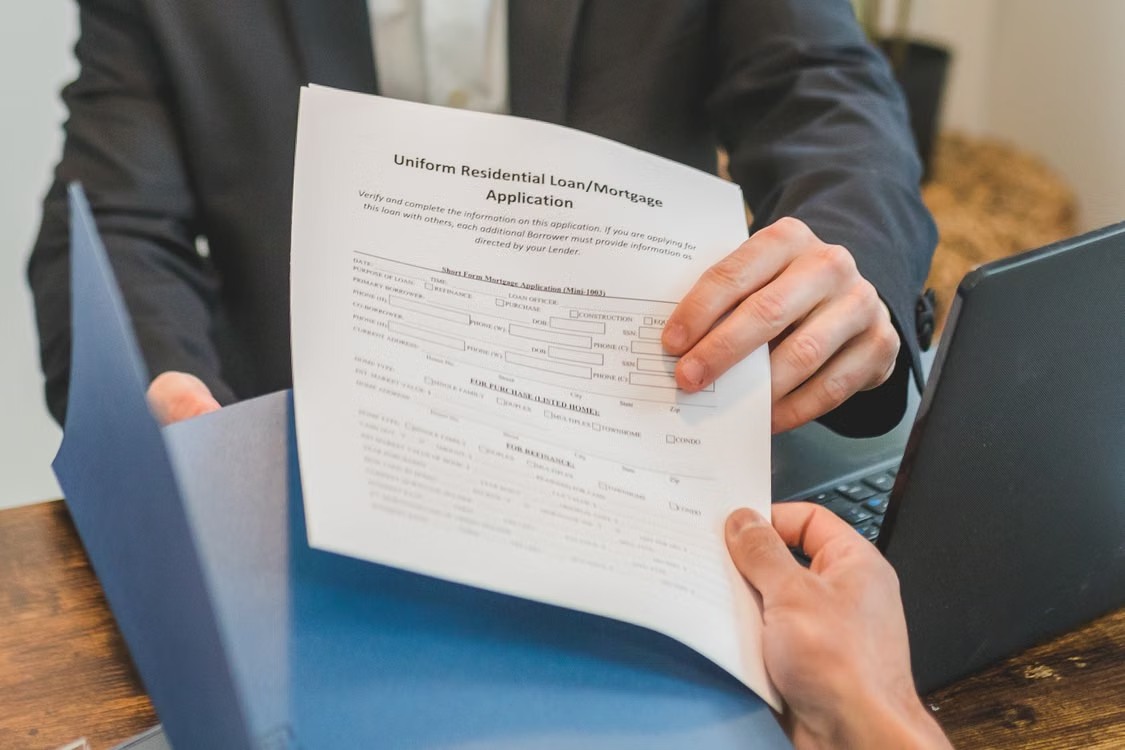
Your credit picture today might look different than it did when you first got your mortgage, for better or worse. The good news is refinancing with bad credit is still possible, though your rate and terms will reflect the added risk. Lenders look at more than your score too. Your payment history, your debt to income ratio, and how much equity you've built all factor into what you'll qualify for.
If your credit has improved since your original loan, that alone might be reason enough to revisit your options, since a stronger score can sometimes offset a higher rate environment.
How Is Mortgage Insurance Calculated
There's rarely a perfect moment to refinance, and waiting for one can cost you more than acting on a solid opportunity today. Thinking through refinance timing means weighing where you are in your current loan term, how long you plan to stay in the home, and whether rates are trending in a direction that works in your favor.
Homeowners who refinance early in their loan term tend to see the biggest long term benefit, since more of their payment is still going toward interest rather than principal. If you're on the fence, our FAQ page walks through common questions about the process, requirements, and what to expect at closing.
A high rate environment doesn't automatically rule refinancing out. It just changes the questions worth asking. Run the numbers, think through how long you'll stay in your home, and talk with a loan officer who can walk through your specific situation before you decide either way.


.png)

