


Have you been thinking about leasing a house for the first time? Though it might feel overwhelming, becoming a property owner can be a rewarding investment.
There are a few things worth thinking through before you dive in. From understanding local landlord-tenant regulations to carefully evaluating potential tenants, the right preparation makes a real difference.
In this article, we'll walk through ten practical tips that will help you rent out a house for the first time with confidence.
Whether you're an experienced real estate investor or just testing the waters, these tips will help you avoid common mistakes and get the most out of your rental property.
Most first-time landlords jump straight to writing the listing and setting a price. That's fine, but there's a short list of things worth confirming before you start showing the property to anyone. Skipping these can create problems down the road, sometimes legal ones.
Run through these basics first:
None of this takes long, but each item matters. A rental that's not legally compliant or properly insured can turn a good investment into a costly one quickly.
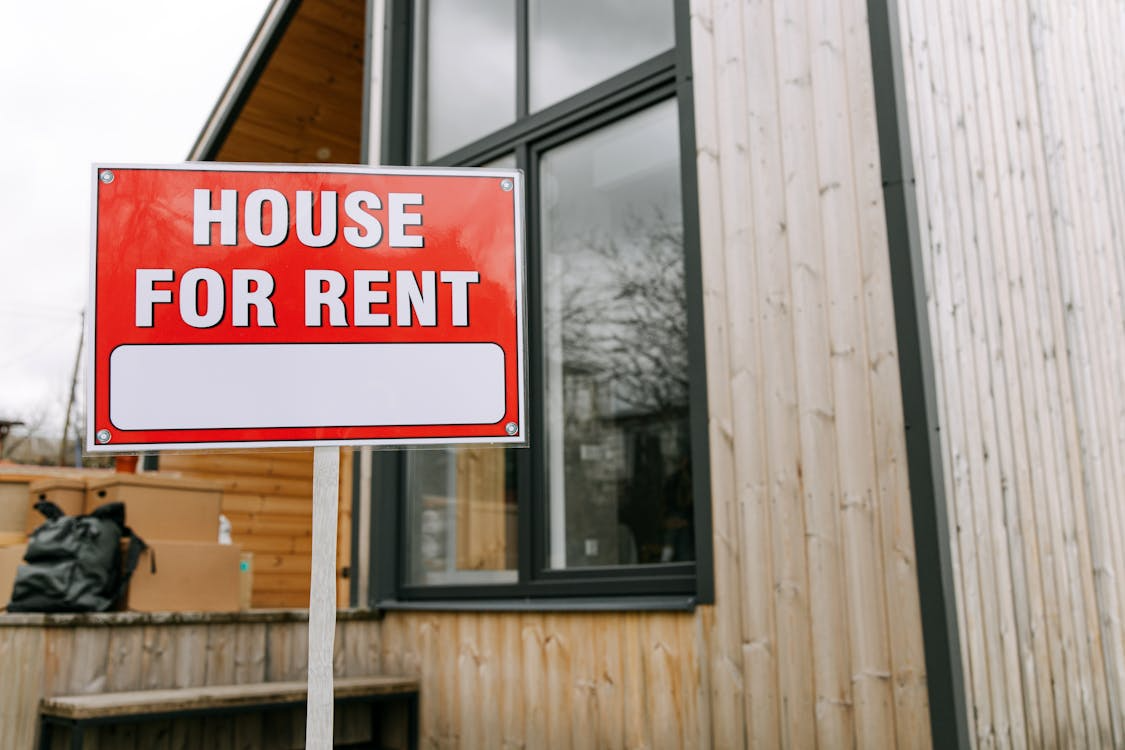
As a first-time landlord, there's a lot to think about before signing on the dotted line. Here are ten tips to help you navigate the process and set yourself up for a smooth tenancy.
Before renting out a property, it's essential to understand the legal side of being a landlord. That includes local landlord-tenant regulations, fair housing laws, and eviction procedures in your area.
Failing to follow these rules can lead to expensive legal costs, fines, and even lawsuits. It's also important to understand the rights and responsibilities of both property owners and tenants.
By learning these laws upfront, you protect yourself and your investment and create a better experience for your renters.
A good starting point is the IRS guidance on becoming a landlord, which covers what qualifies as rental income, what you can deduct, and how the IRS treats rental activity for tax purposes. It's worth reviewing before you set a rental price or sign your first lease.
Click Here to Learn More About What Makes Mares Mortgage a Cut Above the Rest!
Making your property attractive to potential tenants is important for drawing in quality renters and maximizing rental income.
Start with a deep clean and take care of any needed repairs. Then consider freshening up the space with new paint, updated fixtures, and upgraded appliances. If you can, stage the property with furniture so prospects can picture themselves living there.
Pay attention to the exterior too. Neat landscaping and a welcoming front entrance go a long way. Investing time in preparing your property can make a real difference in attracting the right tenants as a landlord.
Here's a quick prep checklist before you start showing the property:
A vital step when renting out a house for the first time is thoroughly screening tenants properly. A solid tenant screening process helps you avoid problem renters and potential legal issues later.
Ask for references and run credit and background checks to confirm a track record of on-time payments and no criminal history. Verify employment to confirm they have a reliable income source.
Take the time to cross-check all the information a prospective tenant provides, as inconsistencies could be warning signs.
By screening tenants carefully, you protect your investment and set the stage for a smooth, hassle-free tenancy for both parties.
When reviewing applications, look at these factors together rather than in isolation:

Pricing your rental correctly is one of the most important decisions you'll make. Charge too much and it sits empty. Charge too little and you're leaving money on the table.
To find a fair rental rate, research the local market and factor in location, property type, size, and amenities. Look at what comparable properties nearby are renting for and adjust your rate accordingly.
Setting a competitive price increases your chances of finding good tenants faster and keeping your vacancy rate low.
A few places to check comparable rents:
A lease agreement is a written contract between you and your tenant that spells out the terms of the tenancy. It should address rent amount and due date, security deposit rules, maintenance responsibilities, pet policies, guest policies, and how the lease can be ended.
This document becomes your reference point if any disagreements come up down the road.
A solid lease should clearly outline rent terms, security deposits, repair responsibilities, pet policies, subletting rules, and move-out notice requirements. Clear details upfront help prevent misunderstandings later. Some landlords also include a move-in checklist to document the property’s condition from day one.
Work with a local attorney to make sure your lease is legally binding and matches your state's landlord-tenant laws. A well-crafted lease helps prevent miscommunication and protect your rights as a landlord.
Collecting rent and security deposits is a core part of being a landlord. It's important to set up a clear system for rent collection and late fees and make sure tenants know the rules from day one.
A security deposit protects you at the end of the lease by covering any damages or unpaid rent the tenant leaves behind.
If you're thinking bigger picture and considering whether to rent your house and buy another, having a clean, documented payment history from your tenants can strengthen your mortgage application for the next property.
A few things to put in writing before the first rent is due:
Already thinking about how this rental fits into your bigger financial picture? There's a lot to plan for when managing your rental properties effectively, and the Mares Mortgage team can help you think through the mortgage side of things.
Related: 5 Effective Ways of Managing Your Rental Properties
Good record-keeping is essential for running a rental property well. Track all expenses, income, repairs, and maintenance costs consistently. Accurate records help you make informed decisions and stay organized when tax season arrives.
This is especially worth noting because rental property tax deductions can add up significantly. Mortgage interest, repairs, insurance premiums, depreciation, and property management fees can all reduce your taxable rental income. You can only claim them if you have the records to back them up.
Use a dedicated folder or app to keep track of:
8. Document the Rental Property's Condition
Before handing over the keys, document the property's condition thoroughly. Walk through every room with the tenant and have both parties sign a written inventory that records the state of the home.
This documentation provides the evidence you need if any dispute comes up over property damage during or after the tenancy.
It's one of the most practical pieces of advice in any list of survival tips for renting your own home, and one of the most overlooked by first-timers. Photos with timestamps, backed up somewhere reliable, are your best protection.
While landlord-specific insurance isn't legally required, it's a smart move to protect yourself from unexpected risks as a first-time landlord.
This type of coverage can include lost rental income, accidental damage, legal costs, and unoccupied periods. Standard homeowners insurance usually only covers the building and the occupant's belongings; it typically doesn't extend to rental situations.
Ask your insurance provider about:
Being a good landlord is essential for long-term success in the rental business. That means keeping the property habitable, addressing maintenance issues quickly, and treating tenants with respect.
Make sure you're easy to reach and that you follow up on any concerns your tenants raise. Prioritizing accessibility and prompt responses to tenant concerns fosters a healthy relationship, making dispute resolution easier. Satisfied tenants often stay longer and maintain the property better, reducing turnover costs.
Small gestures like 24-hour maintenance responses and early lease reminders build vital trust. Reliable tenants provide stability that is far more valuable than minor rent increases.
How to Rent Out Your House and Buy Another
Renting out a house for the first time can feel like a big undertaking, but with the right preparation, you can set yourself up for a genuinely successful experience. Understanding the legal side, preparing the property well, screening tenants carefully, pricing it right, and keeping solid records are the fundamentals that hold everything together.
Being a responsible landlord and having the right insurance in place rounds out the foundation of a rental business that actually lasts. With commitment and a willingness to learn, renting out a house for the first time can be both rewarding and financially worthwhile.



.png)

