


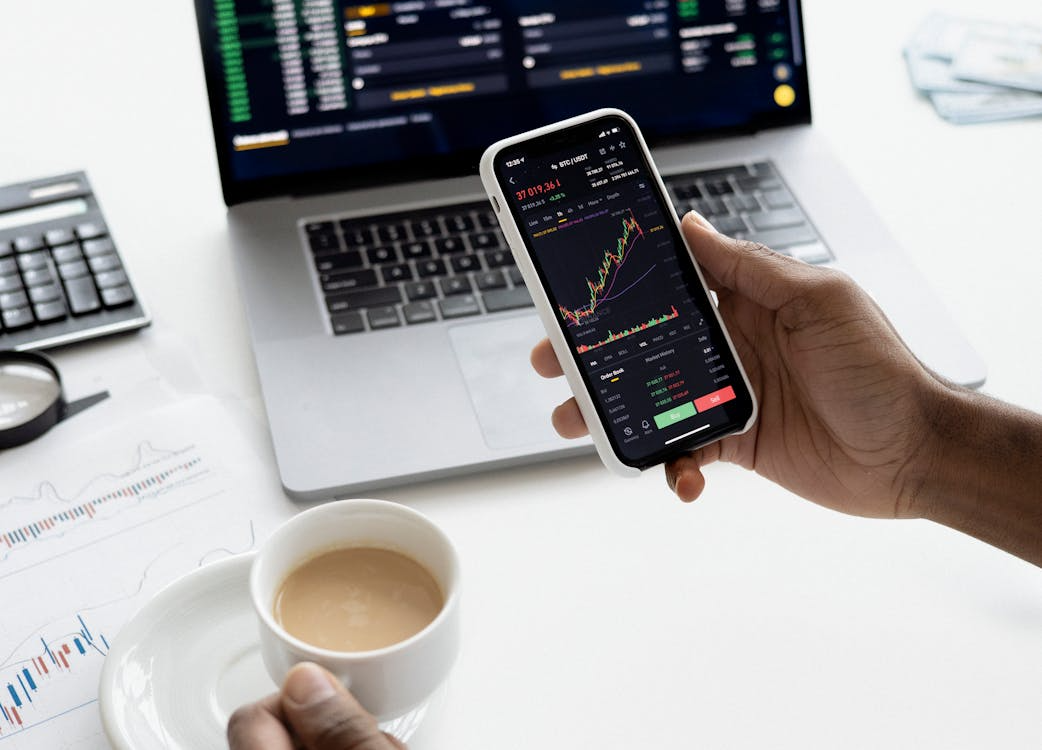
It seems like bitcoin has been in the news more and more recently. You've likely heard of it, and you may know people who have invested in it, but what is bitcoin, and does it have a use in real estate? Bitcoin is a cryptocurrency that does away with central banks and uses advanced encryption to secure and regulate funds. There are no third parties involved, meaning buyers and sellers can make a transaction directly.
But, the real question is, can you buy a house with bitcoin? Yes!
Before we get into what you need to buy real estate with bitcoin, it's important to have at least some understanding of how bitcoin transactions work. Bitcoin is an internet-based cryptocurrency with a decentralized payment system. Every user gets their own anonymous address, and every transaction with bitcoin is fully traceable.
The blockchain technology it uses is basically a database that co-exists across various locations and gets shared by the community. There's a significant advantage to these types of systems: there's not a single center point of failure that is vulnerable to attack.
Some real estate transactions have been completed using cryptocurrency, and the number continues to grow as both buyers and sellers become more comfortable with the process. The technology behind it is evolving fast, and more crypto-friendly escrow and title services are entering the market to support these deals.
Boost Your Credit Score Before Applying for a Loan
The only hard requirement to buy real estate with bitcoin is to have an agreement between the buyer and seller to use the cryptocurrency for the transaction. Both parties need to have a bitcoin account, and they should be familiar with how the cryptocurrency and its transactions work.
There's one important factor both parties need to be aware of: you cannot reverse a bitcoin transaction. Because of this, the buyer and seller should have some level of familiarity with each other and mutual trust. Conventional escrow companies don't usually have the means to deal with cryptocurrency transactions, but cryptocurrency escrow services are beginning to emerge.
It's also worth knowing that the IRS treats virtual currency as property for tax purposes, which means any appreciation in the value of your bitcoin between the time you bought it and the time you use it to purchase property could trigger a capital gains tax event. That's something to discuss with a tax professional before you close the deal.
On the compliance side, lenders must verify the source of funds under anti-money laundering rules, so expect to provide documentation showing where your bitcoin came from, whether through purchase, mining, or another method. Having that paperwork ready will save time and help avoid delays during the transaction process.
The value of bitcoin relative to the U.S. dollar constantly fluctuates, so buying a house with bitcoin is a bit different than with traditional currencies. Typically, the buyer and seller agree on a price in U.S. dollars, and the bitcoin transaction is executed at the escrow closing using the bitcoin value at that time.
The first bitcoin real estate deal completed in the U.S. happened in Austin, Texas, in 2017. Though the buyer used bitcoin, the funds were converted into U.S. dollars at closing.
Another famous listing was the Green Bay "Packer House," which was listed for $1 million in bitcoin. It never sold for bitcoin and is now valued between $250,000 and the original asking price.
These early deals helped establish a framework that more transactions now follow. Most still involve a conversion to U.S. dollars at some point in the closing process, largely because title companies and lenders aren't yet set up to hold cryptocurrency directly. Buyers who prefer a fully digital transaction should work with crypto-specialized escrow providers and attorneys familiar with these arrangements in their state.

Many people with significant bitcoin holdings look to purchase real estate as a way to diversify their portfolio. When properly handled, bitcoin transactions can be completed much more quickly than traditional sales.
Another perk? No intermediaries or traditional banking fees. As long as both parties perform their due diligence, bitcoin payments can offer fast and smooth real estate transactions.
Here's a quick look at why some buyers prefer the bitcoin route:
What Exactly Is a Purchase Money Loan
The biggest risk of using bitcoin to buy a home is its price volatility. If you sold a home for $500,000 worth of bitcoin when prices were high and held onto it, you could lose value quickly. Since cryptocurrencies are not regulated, there's no way to predict future value with certainty.
Despite this, many sellers and real estate agencies have started accepting bitcoin for property purchases and deposits.
That said, volatility cuts both ways. If you're holding bitcoin and the price surges before closing, you're spending an asset that could have grown even further. Some buyers choose to convert a portion of their holdings to USD before the transaction just to lock in the value. Others prefer to ride it out and let the full bitcoin amount transfer at closing. There's no universally right answer, and it depends a lot on your financial goals, your risk tolerance, and how long you've been holding the asset.
Another risk is the legal and regulatory uncertainty that still surrounds crypto real estate deals in many states. Not every title company will handle them, and not every real estate attorney is familiar with the documentation involved. If you're not sure how to navigate this, a mortgage professional can help you understand what financing options are available alongside or instead of a crypto purchase.
If you're also working with a lender, it helps to first understand how to get a mortgage what you need to know before you apply, so you're not caught off guard by documentation or fund-sourcing requirements.
For buyers who don't fit standard lending criteria, non-QM loan programs offer flexible qualification options that may work well alongside a crypto-backed transaction or as an alternative path to financing.
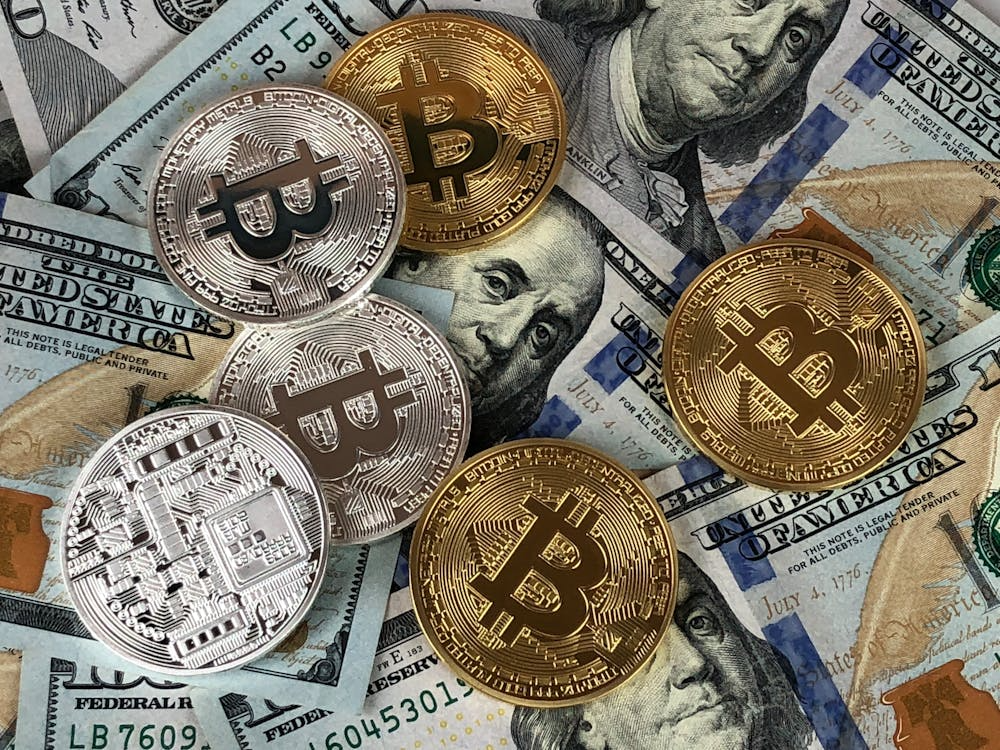
To buy a home with bitcoin, both the buyer and seller must agree to use it for the transaction. Once the deal is finalized, the seller can either keep the bitcoin or use an exchange to convert it to U.S. dollars.
From a practical standpoint, the process typically involves four main steps. First, the buyer and seller agree on a USD-denominated price. Second, a crypto-compatible escrow account is set up to hold the funds. Third, the bitcoin is transferred at the agreed rate on closing day. Fourth, the seller either converts the funds or holds the crypto at their discretion.
Whether you're buying with crypto or looking for a traditional loan, the right guidance makes all the difference. Talk to a Mares Mortgage loan specialist today and find the financing path that works for your situation.
Ready to explore your financing options? Speak with a Mares Mortgage loan specialist today and find the right path to homeownership.
In many places, taxes are the same whether the transaction uses cash or bitcoin. There are no extra charges for using bitcoin, but price swings make it risky for sellers.
Still, for those who understand cryptocurrency, buying real estate with bitcoin could be a glimpse of the future.
As more institutional buyers and real estate platforms move toward digital assets, the infrastructure supporting these transactions is getting stronger. Legal frameworks are slowly catching up, and a handful of states have already started building clearer guidance around crypto property deals. What once seemed like a niche workaround is beginning to look more like a legitimate parallel track in real estate financing.
For those ready to take the next step, understanding how to buy real estate with bitcoin is the first move toward navigating this space with confidence.



.png)

