.png)



What do you think about when the idea of buying a foreclosed house comes to mind? You've probably seen listings for what sound to be genuinely amazing deals in newspapers and online real estate sites, right? Maybe you're someone looking to invest in real estate, or perhaps you want to buy a home for the first time.
And here they are! These foreclosed properties are being sold at apparently rock bottom prices. Well, sometimes there are incredible bargains to be had, but you can't go into any of this with your eyes closed. Below we'll go over what constitutes a rocking deal and what pitfalls to watch out for.
Let's get started!
House Buying Checklist for Beginners
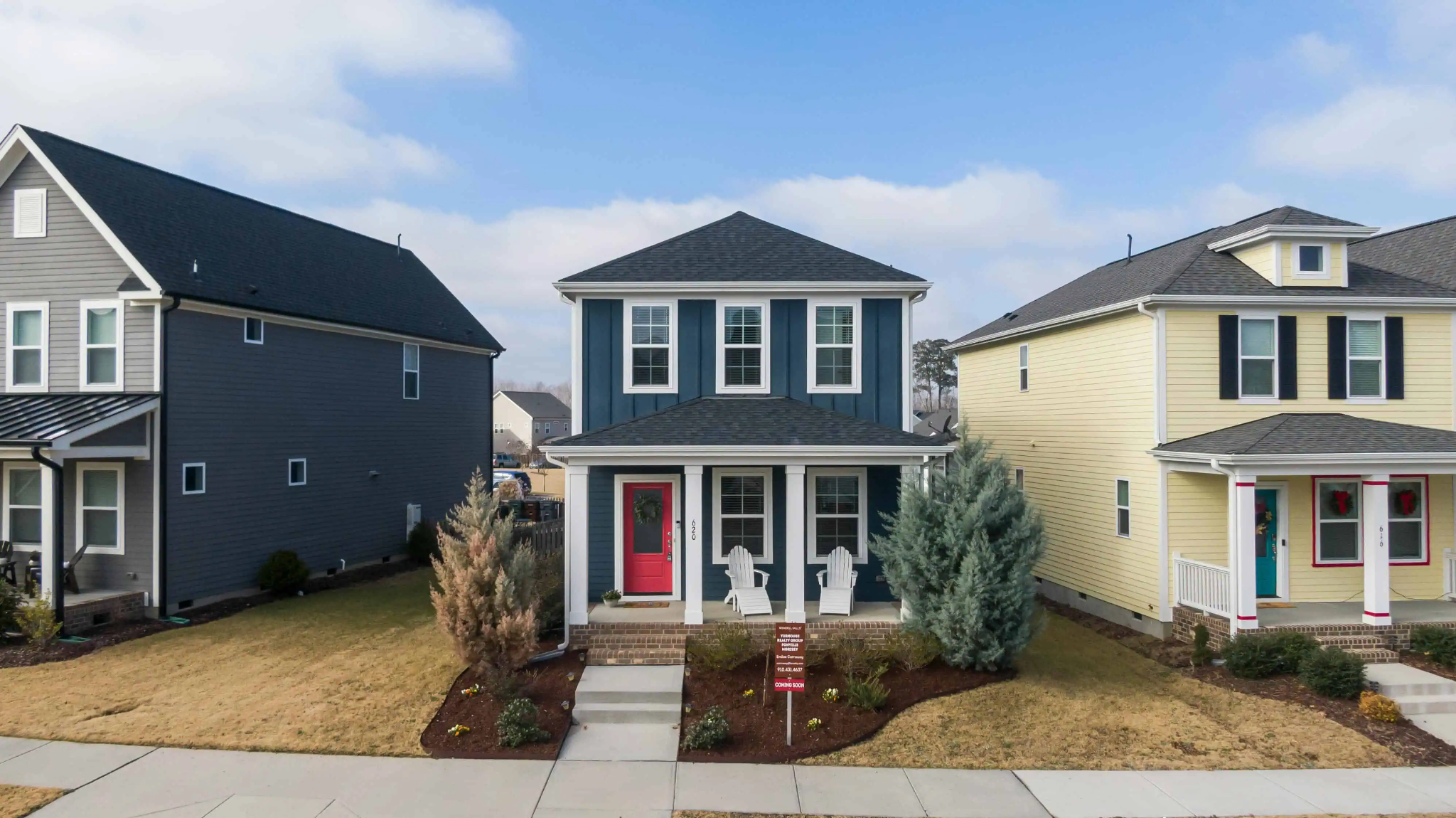
It's crucial to know that there are two kinds of foreclosed houses. The first is Real Estate Owned (REO) and Bank-Owned. In both instances, the bank actually owns the place. (Yes, we know that doesn't sound very clear.)
The difference between these two types of foreclosed homes is the stage in which the foreclosure happens to be in.
When no one buys a house at auction that the bank has foreclosed on, the bank usually tries to sell it through a real estate agent. That agent often specializes in REO sales. These types of foreclosed houses can be good deals since they weren't bought at auction.
In this case, the bank owns the house because the former homeowner stopped paying. Legal proceedings have been started by the lender to have that homeowner removed from the home. Sometimes this can be a prolonged process. However, as noted above, after that happens and before a foreclosed house ends up as an REO property, the bank usually tries to sell it at auction. The bank's goal is to recoup the money it lent.
Beyond your real estate agent's own listings, a few dedicated sources are worth checking. HUD Home Store lists government-owned homes that were foreclosed after an FHA-insured mortgage default, and it gives owner-occupant buyers a priority bidding window before investors can bid. Fannie Mae's HomePath and Freddie Mac's HomeSteps programs list foreclosed properties those agencies now own, sometimes with reduced closing costs or renovation financing bundled in. County sheriff or trustee auction sites, along with your local courthouse's public notices, are also common places to find upcoming auction listings, though these tend to require more legwork and cash-in-hand readiness than a standard REO listing.
These terms get used interchangeably, but they describe different points in the same overall process, and the differences matter for how you'll negotiate and finance the purchase. A pre-foreclosure is exactly what it sounds like: the homeowner has missed payments and the lender has started the legal process, but the property hasn't gone to auction yet. This is the stage described above, where you're negotiating directly with the homeowner rather than the bank. A short sale happens when the homeowner owes more on the mortgage than the home is currently worth, and the lender agrees to accept less than the full loan balance to allow the sale to go through. Short sales require lender approval on top of the homeowner's agreement, which often makes them slower than a typical purchase, sometimes taking months to close. A true foreclosure, whether sold at auction or afterward as an REO listing, means the bank has already completed the legal process and taken ownership, which is the scenario the rest of this guide focuses on. Knowing which stage a listing is actually in helps set realistic expectations for timeline, negotiating leverage, and how much paperwork you're in for.
There are a couple ways to secure a good deal on foreclosed homes for sale. The first is by buying a house at below market value. The second is through buying a house from homeowners before the bank forecloses.
When buying a foreclosed house, many people don't know that at any point before an auction takes place, homeowners have the right to sell the home. In other words, the house is on the way to foreclosure but hasn't got there yet. That's good for you if you're looking to buy because it means the homeowner likely has a lot of motivation to sell because it means they'll be able to avoid foreclosure altogether.
You can get in touch with the homeowners and then make an offer. If you go this route, be sure to have cash, and don't forget to protect yourself from liens by purchasing title insurance.
If you're a first-time homebuyer instead of an investor, you can also approach a homeowner before the bank forecloses. However, you should adhere to some additional criteria:
Ensure that:
Remember that most foreclosed houses require a lot of work. They're not often in great shape. However, if you don't mind that the home might have been neglected a bit, and are willing to invest in fixing it up, then you could still find a great deal.
Related: Signs You're Ready to Buy Your First House
Are you searching for homes for sale? Mares Mortgage has a solid reputation helping those who want to purchase properties through its Loan Brothers' property search. Learn more here.
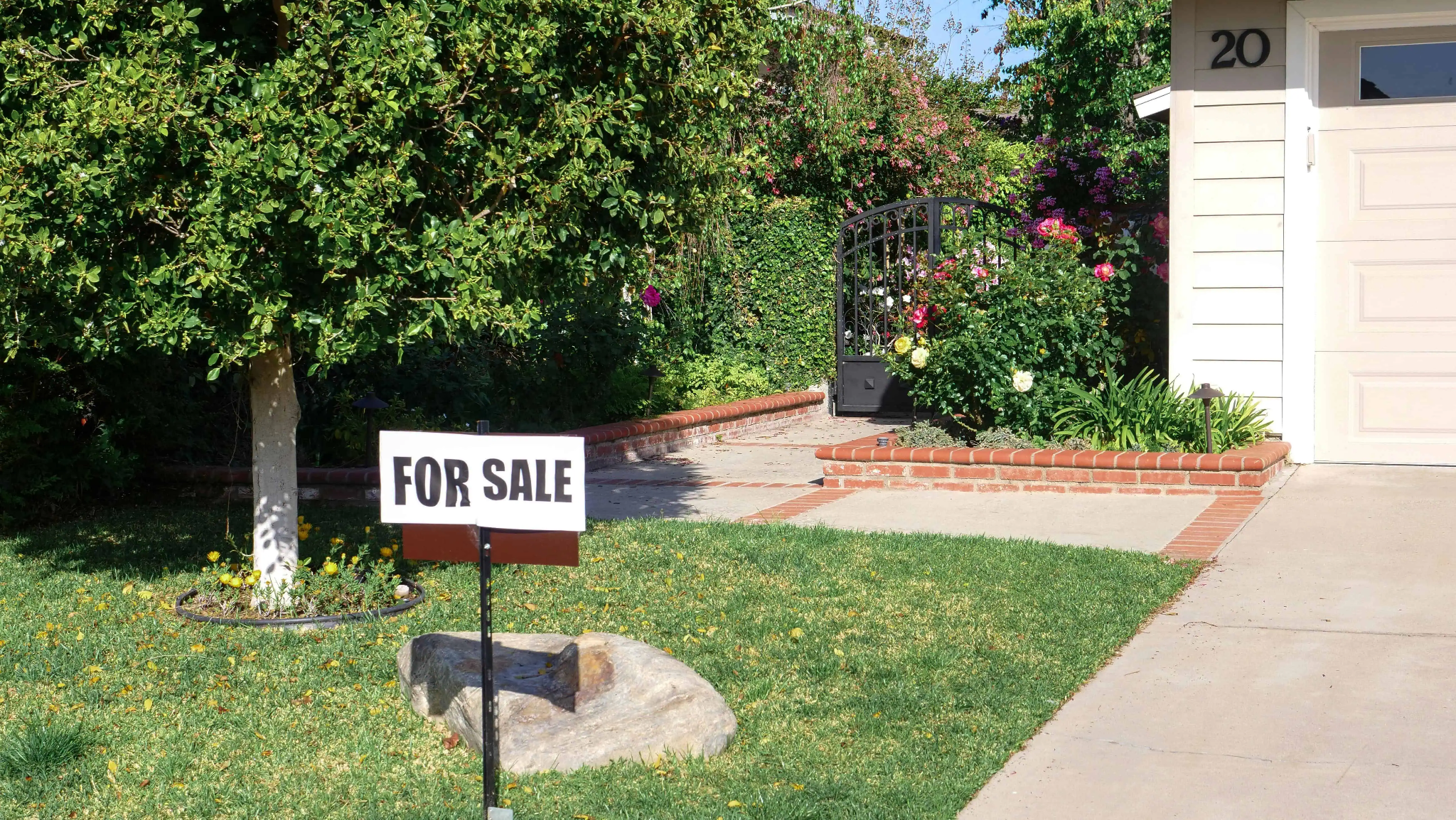
As mentioned above, another great way to get a good deal on a foreclosure is to purchase the place below market value. Many consider a deal wherein you get the foreclosed house at 80% of market value except for the cost of repairs to be a good one.
Recall, however, that a lot of these houses need repairs. Sometimes they need a great deal of "fixing up." In many instances, no one has lived in the foreclosed house for as long as the bank has owned it. Remember, too, that the bank is interested in getting as much as it can to recoup whatever it loaned and not in maintaining the house's upkeep.
Since so many foreclosures need work, it's worth knowing your financing options before you assume repairs will come out of pocket. The FHA's 203(k) Rehabilitation Mortgage Insurance Program lets qualifying buyers roll the cost of a home's purchase and its repairs into a single mortgage instead of juggling a separate renovation loan. This can make a fixer-upper foreclosure far more approachable, since you're not stuck finding the repair budget upfront on top of your down payment and closing costs. Not every foreclosed property qualifies, and the program does require working with an approved lender and, in many cases, a 203(k) consultant, so it's worth discussing early with your mortgage broker rather than after you've already made an offer.
Competitors are a thing when it comes to buying foreclosed houses, just so you know. Since great deals can be found in foreclosures, they're appealing to investors who may want to rent out a house or even flip them. Additionally, the bank may consider real estate investors who can make all-cash offers and who can close quickly more attractive than someone who wants to buy and live in that home.
Recall that nobody from the bank has lived in the foreclosed house you want to buy. That means they have zero clue as to whether there are problems with the property or not. With that in mind, you'll have to do your own due diligence by asking neighbors about the property, by ensuring a thorough home inspection, or by sheer experience after you've bought the house.
Be ready to wait. While it seems natural that banks will want to get rid of foreclosed properties as soon as they can, the reality is that they'll sometimes take a while when thinking through offers.
If you're buying at a public auction rather than through an REO listing, be aware that a standard home inspection or appraisal contingency usually isn't available. Auction purchases are typically sold as-is, and once your bid wins, backing out because of a hidden defect isn't a realistic option the way it would be in a traditional sale. If an in-person walkthrough isn't possible before an auction, at minimum drive by the property, review any available public records or permit history, and budget conservatively for the unknown.
Lenders can present headaches to would-be homeowners and real estate investors. They have their own issues, which come about due to limited transparency and the increased bureaucracy offered to those who want to buy foreclosed houses. That's why it's a good idea to talk with experts on financing, such as the Loan Brothers, who happen to be great Orange County mortgage brokers.
Related: Buying A Second Home: How To Finance
Are you looking to make an educated decision about buying a foreclosed house? Let one of our local Orange County mortgage brokers guide you.
Can I get a regular mortgage for a foreclosed home? Often, yes, particularly for REO listings sold through a real estate agent, though the property will need to meet the lender's condition requirements. Auction purchases usually require cash or certified funds instead of traditional financing, since sales close quickly.
Is a home inspection possible on a foreclosed property? It depends on how the home is being sold. REO properties often allow a standard inspection period like any other listing, while homes sold at auction are typically sold as-is with little or no opportunity to inspect beforehand.
How much below market value are foreclosures typically priced? It varies widely by market and property condition, but buyers often look for a discount that accounts for both the below-market purchase price and the cost of any needed repairs, rather than assuming a fixed percentage applies everywhere.
Do I need an all-cash offer to compete for a foreclosure? Not always, but cash offers are common competition, especially from investors, since they close faster and carry less risk for the seller. Getting pre-approved ahead of time can help a financed offer compete more effectively.
It's crucial to remember that while you can make money in foreclosures, or you can find a deal that makes owning your first house attractive, the truth is that buying a foreclosed house can be a challenging experience. Go into it with eyes wide open. Remember that just because the price may look attractive, it doesn't mean the property is good for you.
Additionally, we recommend researching the financing options available to you extensively. If you're considering purchasing a foreclosed home, and want to know more about the options out there, Get In Touch with one of our Orange County mortgage brokers today.


